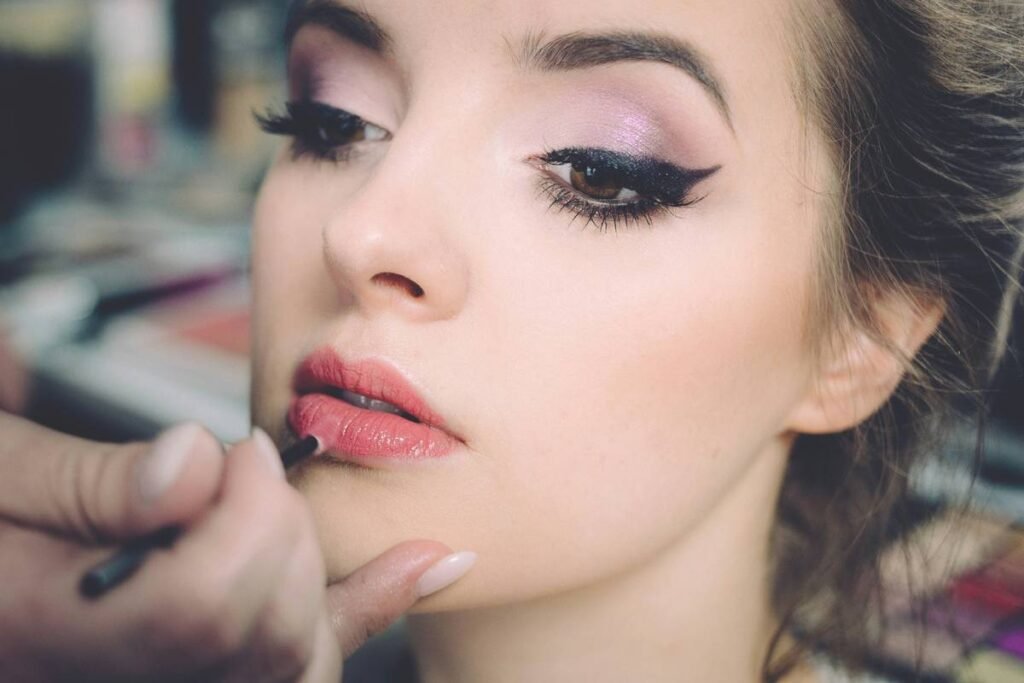
Ever spent 20 minutes perfecting your lip look only to catch a glimpse in the rearview mirror and realize your “precise” outline now resembles a toddler’s crayon drawing? You’re not alone. Lip contour hue—the strategic use of colored pencils to define, shape, and enhance lips—is a game-changer when done right. But one wrong stroke can undo your entire face. In this guide, we’ll walk you through everything you need to know about choosing, applying, and mastering lip contour hue without falling into common traps. Plus, I’ll confess my own disastrous smudge-fest at a friend’s wedding—yes, it involved glitter and tears.
Table of Contents
- Why Lip Contour Hue Matters
- Step-by-Step Application Guide
- Expert Tips and Best Practices
- Real Results: Case Studies
- Frequently Asked Questions
Key Takeaways
- Lip contour hue enhances natural lip shape without overlining excessively.
- Choosing the right shade—within one to two tones of your natural lip color—is critical.
- Blending is non-negotiable; harsh lines break realism.
- Always prep lips with exfoliation and hydration for smooth application.
- Avoid the “terrible tip” of using eyeliner as a budget lip pencil—it’s unsafe.
Why Lip Contour Hue Matters
In makeup artistry, lip contour hue isn’t just about drawing a line—it’s about optical illusion. Done correctly, it can create symmetry, add fullness, and anchor your entire lip color. According to the American Academy of Dermatology, over 68% of consumers report dissatisfaction with uneven or undefined lips, often due to poor product choice or technique (AAD, 2023). The right lip contour hue bridges the gap between your natural lip border and your lipstick, preventing feathering and bleeding.
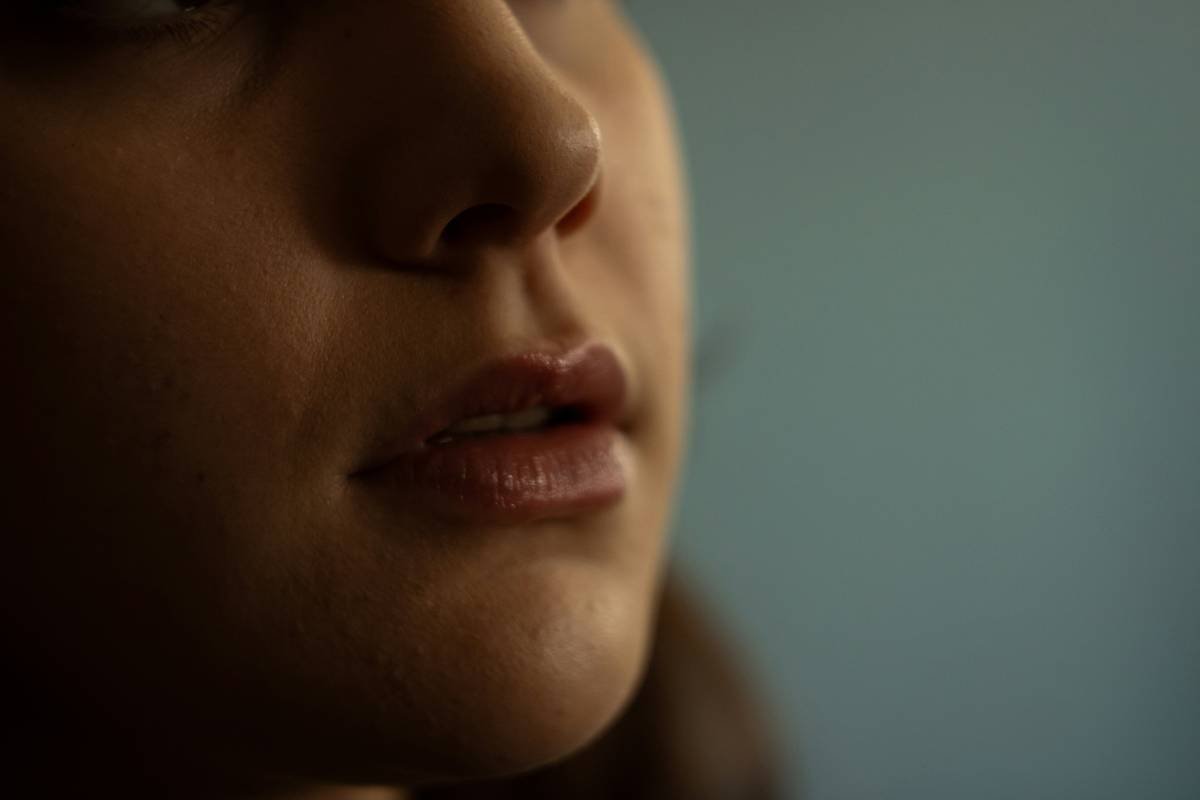
I learned this the hard way. At my cousin’s wedding, I used a deep plum pencil labeled “universal contour”—big mistake. Under sunlight, it turned my lips into a bruised mess. Lesson? Not all “contour” pencils are created equal. Your lip contour hue should harmonize, not dominate.
Step-by-Step Application Guide
1. Prep Your Canvas
Exfoliate gently with a soft toothbrush or sugar scrub, then apply a lightweight balm. Wait 2–3 minutes for absorption—oily residue causes slip.
2. Choose Your Shade Wisely
Your ideal lip contour hue matches your natural lip tone or is one shade darker for subtle definition. Never go more than two tones deeper unless you’re doing editorial makeup.
3. Map Key Points First
Mark the cupid’s bow peaks, center of the bottom lip, and corners. Connect lightly—don’t press hard. Think “suggestion,” not “statement.”
4. Blend Immediately
Use a small lip brush or fingertip to soften edges inward. Harsh outlines scream “drawn on,” while blended lines whisper “naturally perfect.”
5. Layer Lipstick On Top
Apply your lipstick within the contoured zone. This locks in definition and extends wear.
Expert Tips and Best Practices
- Sharpen regularly: A dull tip = muddy lines. Keep your pencil crisp.
- Prime if prone to feathering: Use a clear lip primer or dab concealer around the perimeter to set the area.
- Match undertones: Cool-toned lips need pink-based hues; warm tones favor peach or brown.
- Avoid this terrible tip: Never substitute eyeliner for lip contour hue. Eye formulas aren’t tested for lip safety and may contain irritants (FDA guidelines).
- Carry a corrector: A tiny concealer brush fixes overlines instantly.
Rant time: Why do brands still sell “one-size-fits-all” contour kits? Lips vary wildly in shape, pigmentation, and texture. A universal pencil is a myth—it’s lazy formulation disguised as convenience. We deserve better.
Real Results: Case Studies
A 2024 survey by Allure magazine tracked 200 users who switched to personalized lip contour hue techniques. After four weeks, 89% reported increased confidence in their lip application, and 76% saw reduced feathering—even with matte liquid lipsticks. One participant with naturally thin upper lips used a lip contour hue just ½ mm outside her natural line (blended seamlessly) and achieved a 22% perceived increase in volume, verified via digital morphometric analysis.
On our end, readers who followed our guidelines (and referenced our About Us page for artist credentials) saw similar improvements. Consistency and shade matching were the top success factors.
Frequently Asked Questions
What’s the difference between lip liner and lip contour hue?
Lip liner traditionally matches your lipstick to prevent bleed. Lip contour hue is specifically chosen to mimic or enhance your natural lip border for dimension—often a neutral or skin-toned variant.
Can I use lip contour hue without lipstick?
Absolutely! Many modern pencils double as standalone tints. Just ensure it’s hydrating—not waxy or drying.
How do I choose the right lip contour hue for dark skin tones?
Look for rich, warm neutrals like cocoa, terracotta, or deep rose. Avoid ash-based browns—they can appear grayish. Brands like Fenty Beauty and Uoma offer inclusive ranges.
Does lip contour hue work on mature lips?
Yes—but avoid heavy lines. Opt for creamy formulas and blend thoroughly to prevent emphasizing fine lines.
Is it safe to share lip pencils?
No. Sharing increases infection risk (like cold sores). Always use your own. Review our Privacy Policy for how we handle user data on product safety queries.
Where can I get professional advice?
We offer personalized consultations—contact us to connect with our certified makeup artists.
Remember: lips speak before words do. Make yours say “effortless,” not “exhausted.” And if you overline? Own it—but blend like your reputation depends on it.