Blurred, uneven lips ruin even the most expensive lipstick. You spend minutes lining—only to end up with a waxy outline that disappears or looks drawn-on. The fix isn’t better technique alone. It’s choosing the right lip contour shade—one that mimics natural shadow, not stage makeup.
Why Most Lip Liners Fail at True Definition
Generic “nude” pencils assume all lip tones are the same. They’re not. Your lip border has micro-variations—often cooler, deeper, or rosier than your actual lip color. Slapping on a mismatched liner creates a hard edge that screams “made-up.” Worse, it ages you by flattening the 3D architecture of your mouth.
And no—your foundation match doesn’t translate to lip accuracy. Lips absorb pigment differently. They shift with pH, hydration, even diet. A static liner can’t keep up.
Selecting & Applying Your lip contour shade Like a Pro
Forget tracing. Real definition comes from *implying* shape, not outlining it. Here’s how:
Step 1: Decode Your Natural Lip Undertone
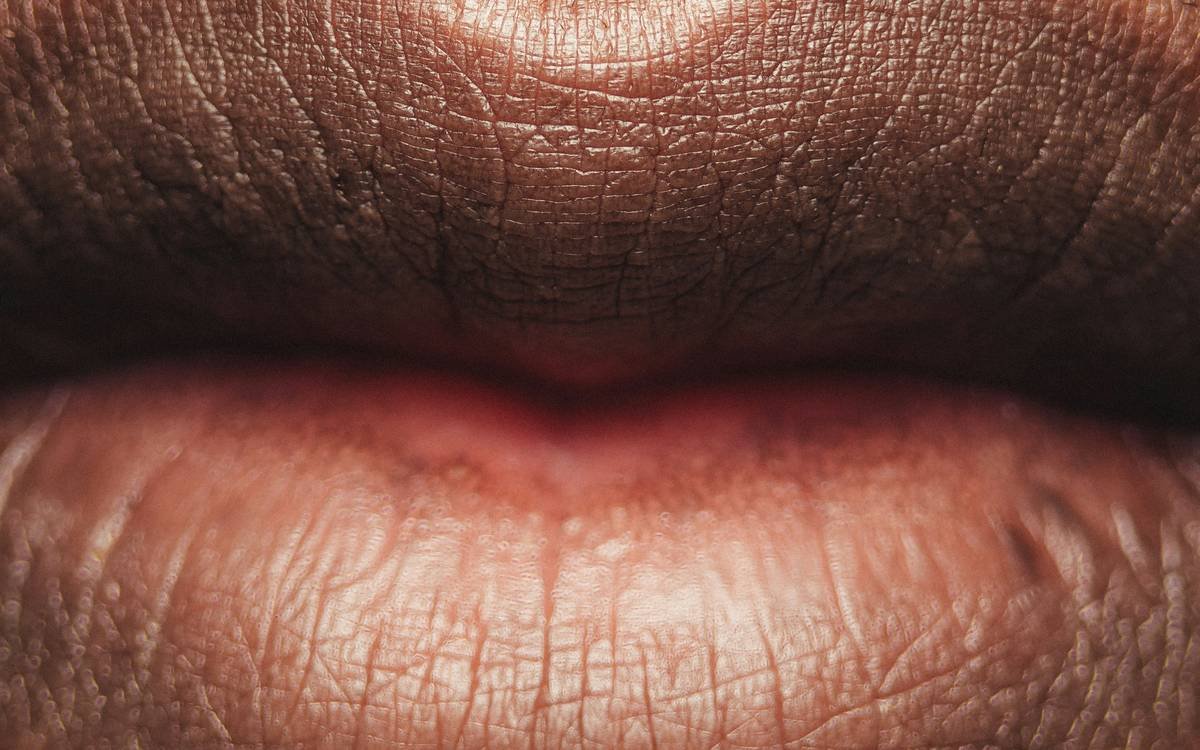
Wipe your lips clean. No balm, no residue. Now, look closely at the outermost rim—the part just before skin begins. Is it ashy? Pink? Brown with red undertones? That’s your blueprint. Your lip contour shade should be ½ to 1 shade darker than this zone—not your lipstick.
Step 2: Choose Formula Based on Finish
Mattes need waxy precision. Gloss-heavy lips demand creamier blends. Match texture first—color second. A dry pencil over hydrated lips will feather instantly.
Step 3: Apply with Intention, Not Pressure
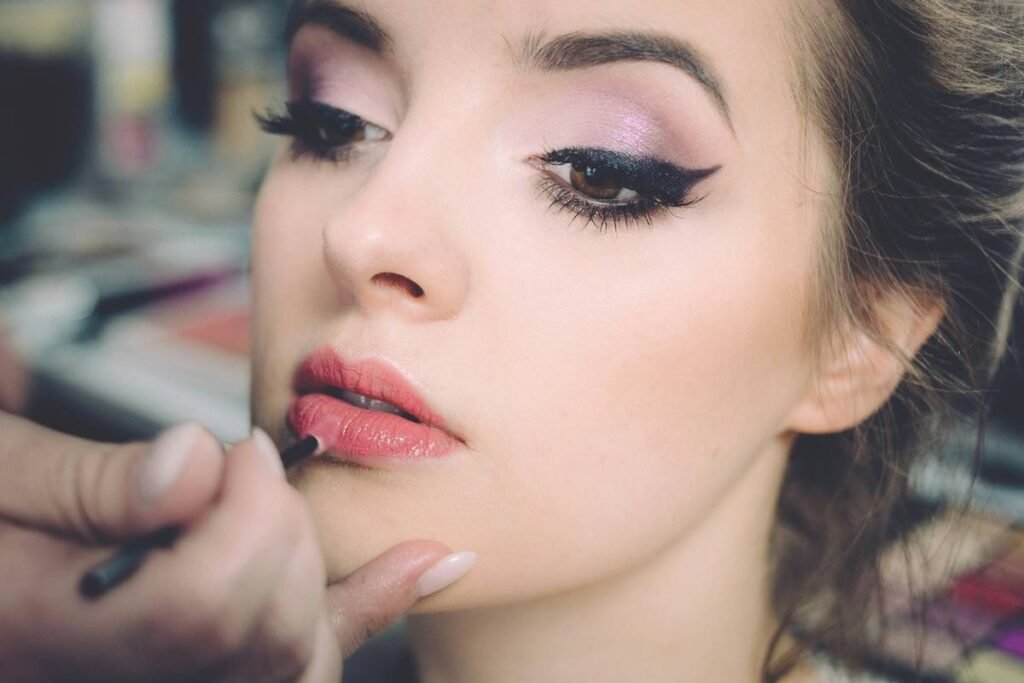
Use light, feathery strokes only where shadow naturally occurs: the Cupid’s bow peaks and lower lip’s outer corners. Skip the center. Then, blur inward with a tiny brush—never outward. Outward blending erases volume.
| Method | Precision Level | Longevity | Best For |
|---|---|---|---|
| Classic Outline (Full Border) | Low | 4-6 hrs | Matte bold lips; theatrical looks |
| Strategic Shadow Placement | High | 8+ hrs | Natural definition; aging gracefully |
| No Liner + Blended Pigment | Medium | 3-5 hrs | Sheer gloss days; minimalists |

The Industry Secret: Use Two Shades, Not One
Top editorial artists don’t rely on a single pencil. They layer. A cool-toned lip contour shade along the upper rim (where natural shadow is bluer) and a warmer one below (where blood flow adds depth). This mimics real anatomy. Try it: a taupe-gray above, a muted brick below. Blend where they meet. Suddenly, your lips look sculpted—not drawn.
Brands rarely sell these nuanced tones. Mix a neutral brown liner with a dab of concealer to soften warmth. Or repurpose an eyeshadow quad—matte, finely milled shades work surprisingly well when set with translucent powder.
Frequently Asked Questions
Should my lip contour shade match my lipstick exactly?
No. Matching creates flatness. Go slightly darker and often cooler—it simulates natural shadow, not color replication.
Can I use bronzer or eyeliner as a lip contour shade?
Only if it’s FDA-approved for lips. Many eyeliners contain non-ingestible pigments. Bronzers may have glitter or large particles that irritate delicate lip skin.
How do I prevent my lip contour shade from bleeding?
Exfoliate first. Apply a thin layer of matte lip primer. Set the liner lightly with matching pressed powder before adding lipstick.