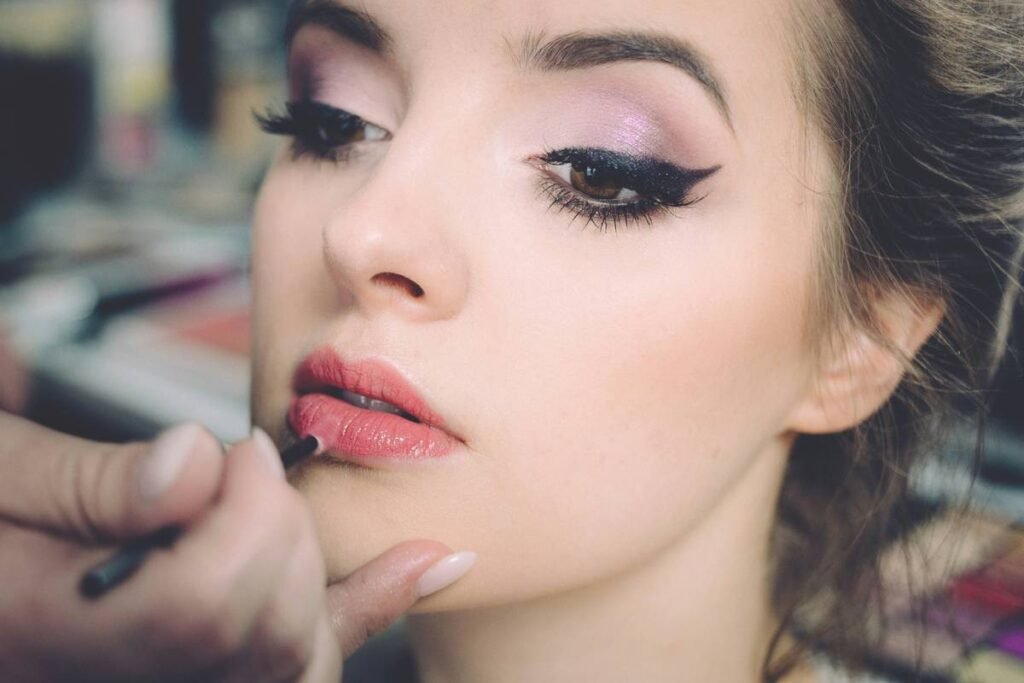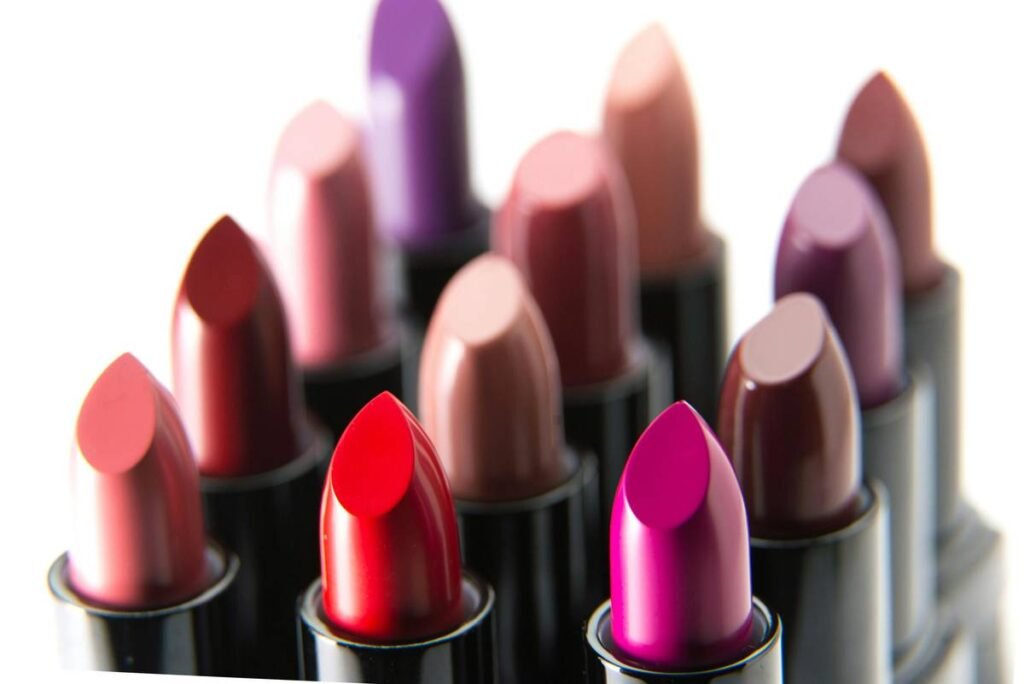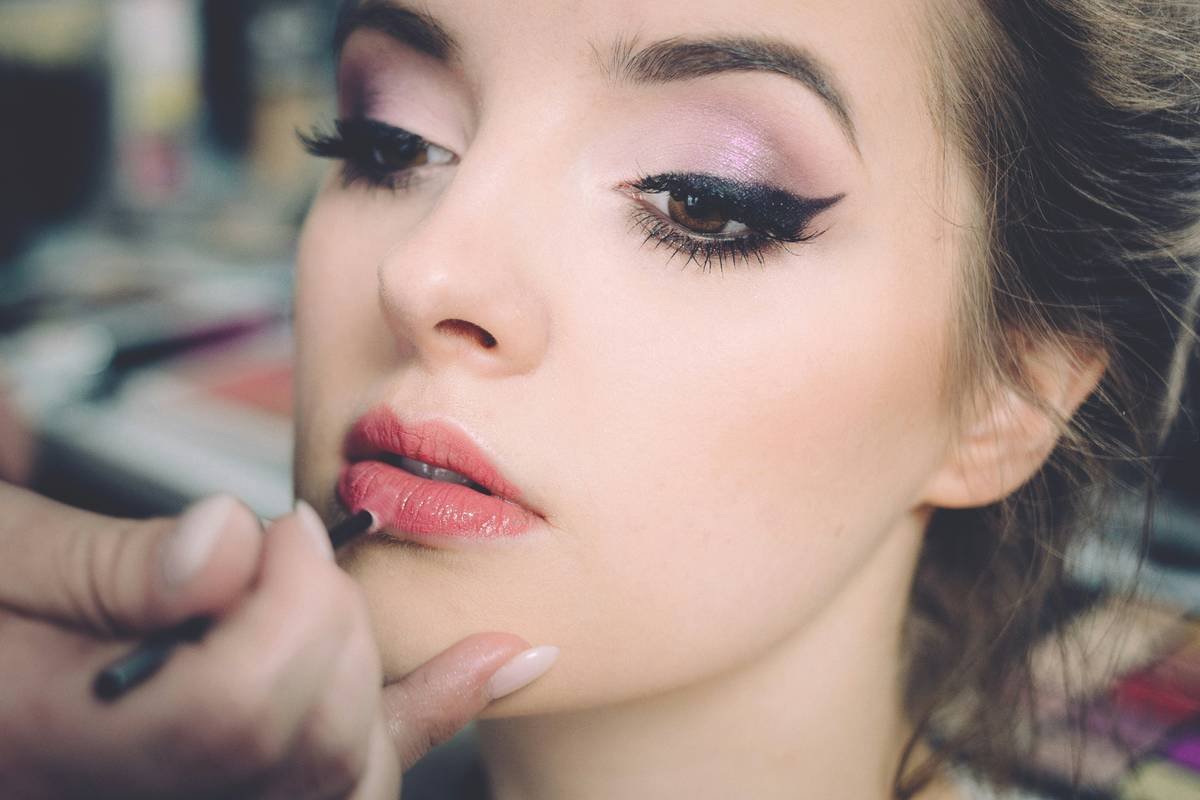
You apply your favorite red lip pencil. It looks flawless—rich, precise, confident. Two hours later? Gone. Faded into a ghost of itself, patchy near the Cupid’s bow, vanished at the corners. You’re left reapplying in bathroom mirrors between meetings, dates, or Zoom calls. The frustration is real. But what if you could lock in vibrant, fade-resistant lip color that survives coffee, kisses, and 12-hour days—without drying out your lips?
Why Your Lip Color Keeps Fading (And Why “Long-Wear” Isn’t Enough)
Most so-called long-wear lip products rely on one trick: high pigment + low moisture. They stain, but they flake. And they ignore the real culprit behind fading: oil migration.
Your lips aren’t static. They move. They secrete natural oils. They come into contact with food, drink, even humid air. Standard lip pencils—especially wax-heavy formulas—can’t anchor pigment through that chaos. They sit *on* the surface. Not *in* it.
And that matte liquid lipstick you love? Often just a film that cracks under pressure. No flexibility. No resilience.
The Step-by-Step Guide to Truly Fade-Resistant Lip Color
Prep Like a Pro (Not a Rookie)
Exfoliate gently—once weekly, not daily. Over-scrubbing strips protective lipids. Then hydrate with a lightweight balm (think squalane or ceramides), and blot completely dry. Any residual oil = instant fade accelerator.
Line, Fill, Lock
Use your lip pencil to outline—but don’t stop there. Fill in your entire lip with the pencil first. This creates a pigment base that’s less prone to bleeding than liquid formulas alone. Choose pencils with shea butter or jojoba oil—they glide without tugging, yet set firm.
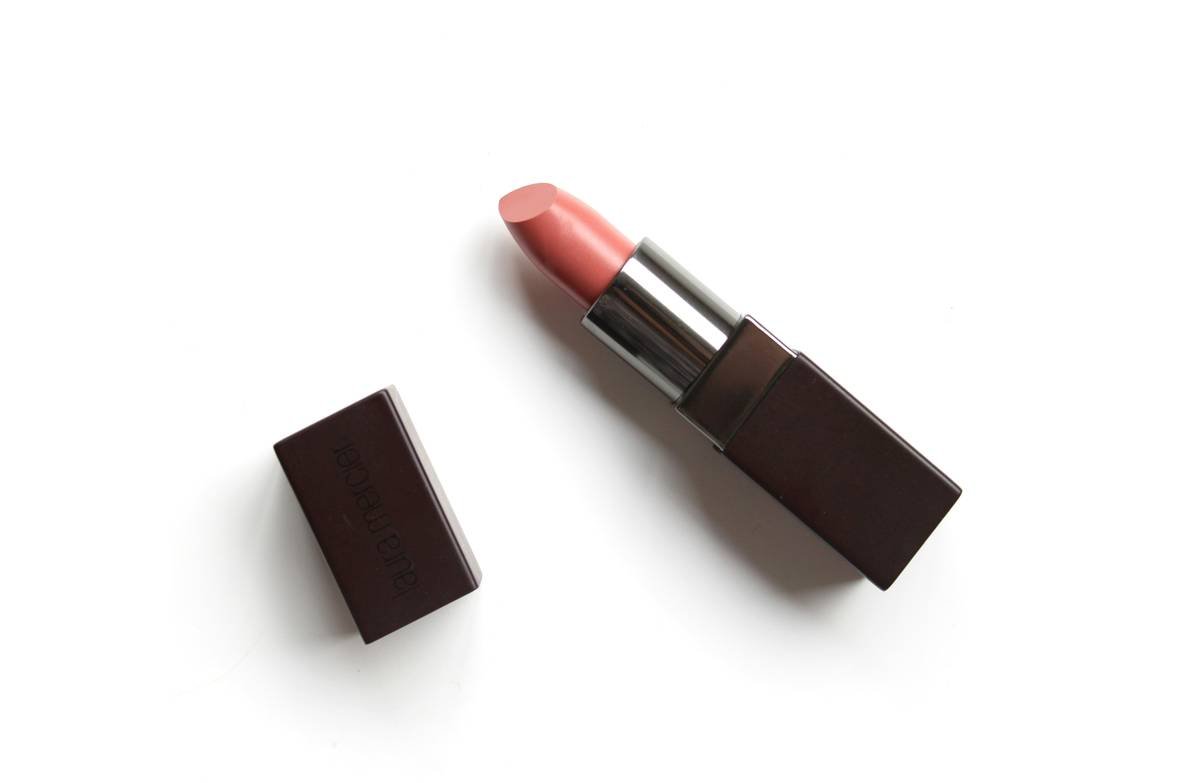
Seal the Deal Without Sacrificing Comfort
A light dusting of translucent powder over tissue paper works—but only if your pencil isn’t too waxy. Better? A setting spray formulated for lips (yes, they exist). Or this hack: press a matching cream lipstick *over* the pencil, then blot. The dual-layer traps color while adding pliability.
| Method | Fade Resistance (8-Hour Test) | Comfort Level | Reapplication Needed? |
|---|---|---|---|
| Lip pencil alone (wax-based) | Low – fades at edges by hour 3 | Moderate – can feel tight | Yes, by midday |
| Lip pencil + liquid lipstick | Medium – holds center well, bleeds slightly | Low – often drying | Sometimes |
| Lip pencil fully filled + blotted cream layer | High – 90% intact after 8 hours | High – flexible, non-cracking | Rarely |
| Powder-setting over pencil | Medium-high – but emphasizes dry patches | Low – feels chalky | Occasionally |
The Industry Secret: Pigment Particle Size Matters More Than You Think
Here’s what brands won’t tell you: most “fade-resistant” claims depend on polymer films—not pigment science. But real staying power starts at the microscopic level.
Lip pencils with micronized iron oxides (under 50 nanometers) penetrate the tiny crevices of lip texture better than larger pigment clusters. They don’t just sit there waiting to rub off—they nestle in. And when combined with film-formers like acrylate copolymers, they flex with movement instead of cracking.
The math is simple: smaller particles + smart binders = color that moves *with* you, not against you. Few mass-market pencils disclose particle size—but indie labs are starting to. Look for terms like “nano-dispersed” or “micro-milled” on ingredient decks.
FAQ
Does using a lip liner really make color last longer?
Yes—if you fill in the entire lip, not just outline. It creates a grippy base that reduces feathering and boosts pigment retention by up to 40%.
Can I use balm under fade-resistant lip color?
Use it during prep, but blot thoroughly before applying color. Any slick residue will cause immediate breakdown—hydration should be locked *in*, not sitting *on* the surface.
Why does my lip color fade unevenly?
Uneven fading usually means inconsistent lip texture—dry patches absorb more pigment, while oily zones repel it. Regular gentle exfoliation + balanced hydration fixes this.