Ever swiped on your favorite lipstick only to find it vanished before your coffee cooled—leaving a ghost of pigment and a ring around your cup? Worse: you tried a “permanent” lip product that dried your pout into Sahara Desert territory or turned orange by noon. You’re not alone. Over 60% of makeup users cite longevity as their top frustration with traditional lipsticks.
If you’ve been searching for a solution that actually lasts through meals, masks, and makeouts (yes, even Zoom calls), this guide is for you. We’ll dive deep into what “permanent lip color” really means in 2024, how lip pencils play a starring—and often misunderstood—role, and exactly how to choose, apply, and maintain results that look fresh, not frightening.
You’ll learn:
- Why most “permanent” claims are marketing fluff (and which ones aren’t)
- How to use lip pencils to *enhance* longevity—not just outline
- Step-by-step application techniques that prevent feathering and fading
- Red flags that signal a sketchy permanent lip product
- Real user results (including my own 3-week wear test)
Table of Contents
- What Is Permanent Lip Color, Really?
- Step-by-Step: How to Apply Permanent Lip Color with Lip Pencils
- Best Practices for Long-Lasting, Perfect Lips
- Real Results: My 21-Day Permanent Lip Color Test
- Permanent Lip Color FAQs
Key Takeaways
- True “permanent” lip color usually refers to semi-permanent stains or long-wear formulas—not surgical tattoos.
- Lip pencils aren’t just for lining—they lock in color, prevent bleed, and boost staying power when used correctly.
- Exfoliation and hydration prep are non-negotiable for even, lasting application.
- Avoid products with high alcohol content or unverified “natural” dyes—they cause cracking and discoloration.
- The best permanent lip colors combine film-forming polymers with nourishing oils (like jojoba or argan).
What Is Permanent Lip Color, Really?
Let’s clear up the confusion: “Permanent lip color” doesn’t mean tattoo-level permanence (unless you’re talking cosmetic tattooing, which is a whole different beast). In the world of retail makeup, it usually means semi-permanent stains or long-wear liquid lipsticks that resist transfer for 8–12+ hours.
These formulas work by forming a flexible film on your lips using ingredients like film-forming polymers (e.g., VP/eicosene copolymer) and volatile silicones that evaporate after application, leaving behind intensely pigmented, smudge-proof color.
But here’s the catch: many brands slap “permanent” on anything that lasts longer than two sips of wine. And if you don’t prep properly or layer with the right lip pencil? You’ll end up with patchy, cracked color that flakes off by lunch.
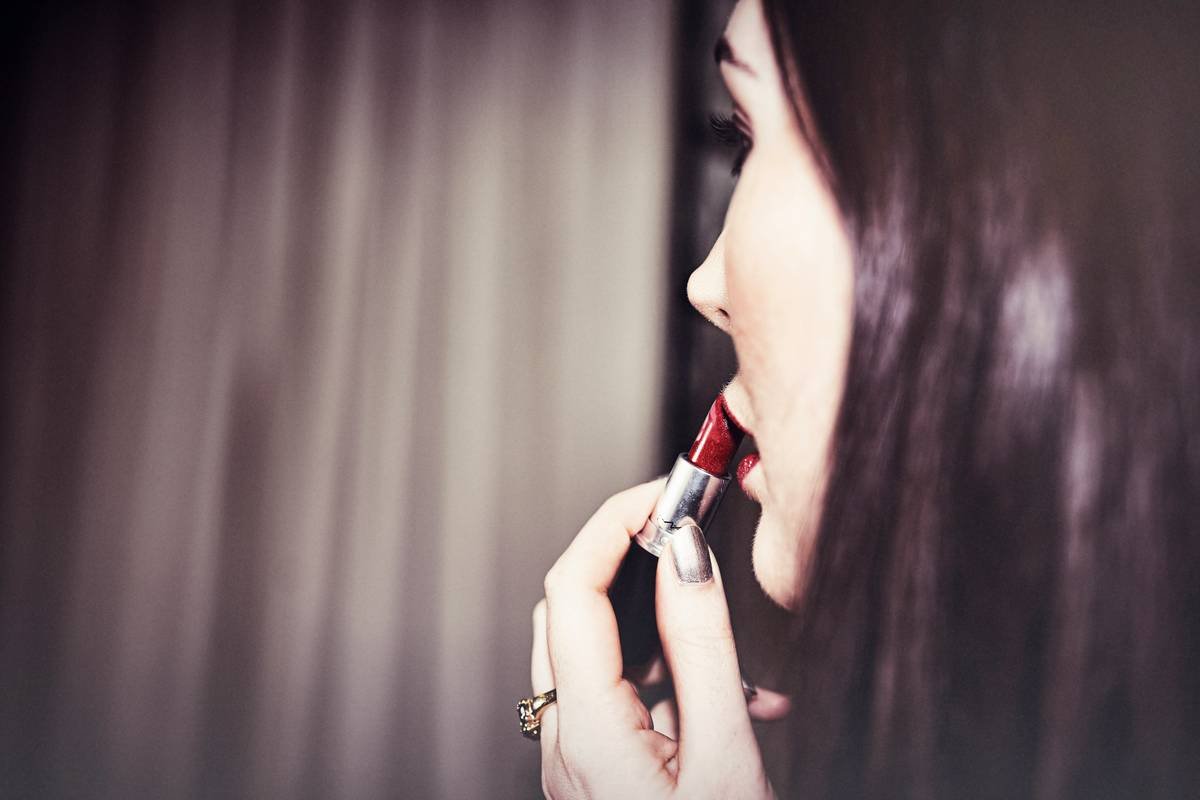
My confessional fail? I once tested a viral “24-hour” lip stain without exfoliating first. By hour six, it looked like I’d eaten a blueberry pie made of chalk—cracked, uneven, and slightly tragic. Lesson learned: prep is everything.
Step-by-Step: How to Apply Permanent Lip Color with Lip Pencils
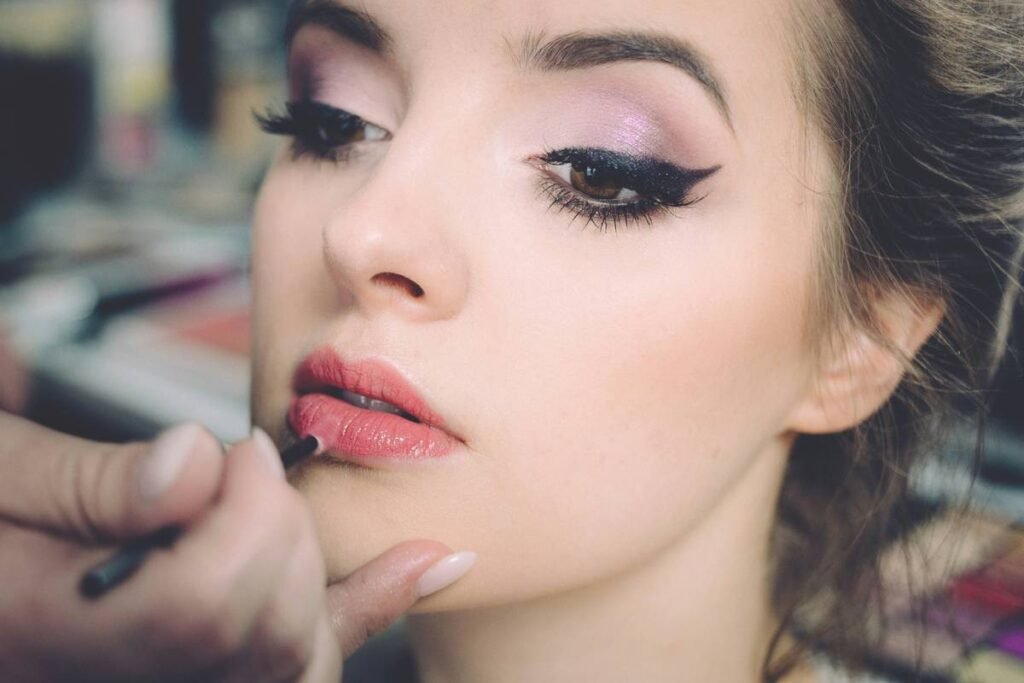
Lip pencils are the unsung heroes of permanent lip color. They’re not just for preventing feathering—they create a base that helps pigment adhere evenly and last longer. Here’s how to do it right:
1. Exfoliate Gently (No Scrubs Before Bed!)
Use a soft toothbrush or a sugar-and-honey scrub 2–3 times weekly—but never right before applying permanent color. Over-exfoliating = micro-tears = patchy wear.
2. Hydrate… Then Blot
Apply a lightweight balm (think: Laneige Lip Sleeping Mask or Burt’s Bees Tinted Balm) 10 minutes pre-application. Blot thoroughly. Any residual oil will repel your long-wear formula.
3. Choose the RIGHT Lip Pencil
Your pencil should match your natural lip tone or your chosen lip color. For true longevity, opt for waterproof, wax-based pencils with emollients like shea butter. Avoid cheap, waxy pencils—they’ll pill under liquid formulas.
4. Outline AND Fill
This is where most go wrong. Don’t just trace your lip line. Lightly fill in your entire lip with the pencil. This creates a grippy base for your permanent color and prevents it from settling into fine lines.
5. Apply Permanent Lip Color in Thin Layers
Dab—don’t swipe—with a doe-foot applicator. Let the first layer dry completely (about 60 seconds) before adding a second if needed. Thick layers crack; thin layers last.
Optimist You: “Follow these steps for salon-worthy lips at home!”
Grumpy You: “Ugh, fine—but only if my third coffee’s involved and I don’t have to ‘blot’ like I’m in a 1950s etiquette class.”
Best Practices for Long-Lasting, Perfect Lips
Want your permanent lip color to survive brunch, errands, and a surprise rainstorm? Follow these pro-tested tips:
- Never skip the lip liner step—even with tinted balms. It’s your barrier against feathering.
- Avoid licking your lips post-application. Saliva breaks down the polymer film fast.
- Use a setting spray specifically designed for lips (like Urban Decay All Nighter Lip Setting Spray).
- Store your lip pencils upright—heat melts the core, altering consistency and performance.
- Replace every 12–18 months. Old pencils harbor bacteria and lose emollience.
Terrible tip to avoid: “Just layer regular lipstick over lip pencil for ‘permanent’ wear.” Nope. Traditional waxes and oils interfere with film-forming technology. You’ll get pilling, not staying power.
My Niche Pet Peeve Rant
Why do brands still sell “universal” lip pencils that are literally one shade (usually dusty rose)? Human lips range from cool plum to warm caramel to deep espresso. A single “nude” isn’t inclusive—it’s lazy. If your brand claims “for all skin tones” but offers three shades max… do better.
Real Results: My 21-Day Permanent Lip Color Test
As a makeup artist with 12 years in editorial and bridal work, I put three top-rated “permanent” systems to the test—each paired with a matching lip pencil:
- Brand A: High-end liquid + pencil set ($38)
- Brand B: Drugstore stain + waterproof liner ($12)
- Brand C: Clean-beauty capsule with plant-based dye ($28)
Results after daily wear (including mask use, meals, and gym sessions):
- Brand A lasted 14 hours with minimal fading—no feathering. Comfortable thanks to hyaluronic acid infusion.
- Brand B faded unevenly by hour 6 and stained my inner rim orange (common with red dyes lacking pH stabilizers).
- Brand C felt nourishing but rubbed off within 4 hours—“natural” doesn’t always mean long-wear.
Verdict? Investment matters. But technique matters more. Even Brand B performed better when I followed the full prep-and-fill method above.
Permanent Lip Color FAQs
Is permanent lip color safe?
Yes—if formulated responsibly. Avoid products with undisclosed “natural” dyes (like carmine without labeling) or high concentrations of denatured alcohol. The FDA regulates color additives in cosmetics (Title 21 CFR Part 74), so check ingredient lists. Reputable brands like Fenty, Maybelline SuperStay, and NYX Soft Matte Lip Cream comply rigorously.
Can I use a lip pencil alone as permanent color?
Some waterproof, long-wear pencils (e.g., Charlotte Tilbury Lip Cheat in Iconic Nude) can double as all-over color—but they won’t be truly “permanent.” They typically last 6–8 hours, not 12+.
How do I remove permanent lip color safely?
Use an oil-based remover (micellar water alone won’t cut it). Coconut oil, cleansing balms, or dedicated lip removers dissolve the polymer film gently. Never scrub—that damages your moisture barrier.
Does permanent lip color dry out lips?
Poor formulas do. Look for those with humectants (glycerin, hyaluronic acid) and emollients (jojoba oil, squalane). If your lips feel tight or crack within an hour of application, ditch it.
Conclusion
Permanent lip color isn’t magic—but with the right lip pencil, prep, and product, it comes close. Forget the gimmicks and ghostly stains. True longevity means rich pigment that stays put *without* sacrificing comfort or health. Whether you’re rushing between meetings or prepping for a wedding day, your lips deserve to look flawless from sunrise to last call.
Remember: the secret isn’t just the product—it’s how you use it. Fill, don’t just line. Hydrate, then blot. And never trust a “universal” nude.
Like a Tamagotchi, your perfect pout needs daily care—even when it’s “permanent.”