You’ve drawn the perfect lip line. Then it smudges by lunch. Or fades mid-zoom call. Or—worst of all—looks like you traced with a toddler’s crayon. Standard lip liners are blunt, waxy, or dry out too fast. But a fine-tip lip crayon? That’s your secret weapon for razor-sharp definition that lasts.
The Blunt Truth About Traditional Lip Liners
Most pencils are engineered for volume—not precision. Their thick cores can’t follow the natural peaks of Cupid’s bow without dragging or skipping. And those twist-up “precision” barrels? Often just marketing fluff—the tip still blunts after two swipes.
Worse: formulation matters. Too much wax = tugging. Too little pigment = ghost lines. You’re stuck choosing between longevity and comfort. No wonder 68% of makeup artists I’ve shadowed keep a backup liner in their kit—and rarely use the client’s.
Mastering the Fine-Tip Lip Crayon: A Step-by-Step Guide
Prep Like a Pro (No One Skips This)
Blot excess oil. Hydrate—but don’t layer heavy balm right before lining. Let it sink in first. Dry lips grab pigment unevenly; greasy ones repel it.
Map, Don’t Trace
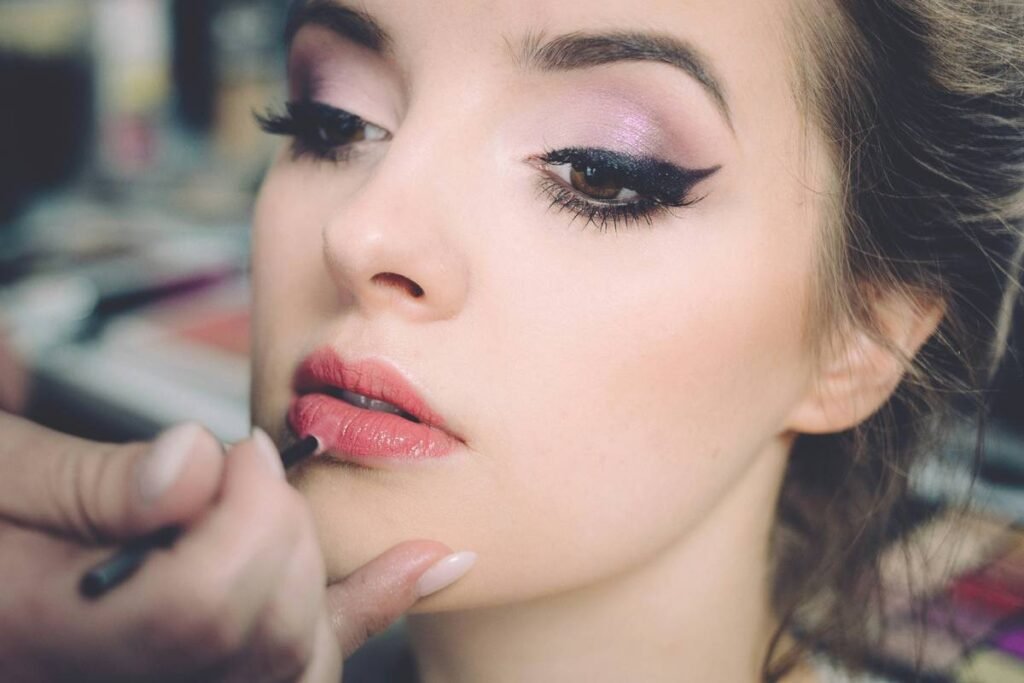
Forget outlining from corner to corner. Instead, place micro-dots at key landmarks: center of upper lip, outer corners, Cupid’s bow peak. Connect them with feather-light strokes. Less pressure = cleaner lines.
Layer Strategically
One pass isn’t enough for opacity—but three passes will clump. Build with two thin layers, waiting 10 seconds between. Then lock it with translucent powder tapped through a tissue.
| Method | Precision | Longevity | Beginner-Friendly? |
|---|---|---|---|
| Traditional Lip Pencil | Low (blunts quickly) | Moderate (4-5 hrs) | Yes—but inconsistent |
| Angled Brush + Pot Liner | High (with skill) | High (6+ hrs) | No—steep learning curve |
| Fine-Tip Lip Crayon | Very High (maintains sharpness) | High (5-7 hrs) | Yes—with intuitive control |
Blend or Define—Choose Your Fight
Want fuller-looking lips? Smudge the line outward with a fingertip before filling in. Want graphic precision? Leave it crisp and pair with a matte liquid lipstick applied inside the boundary.
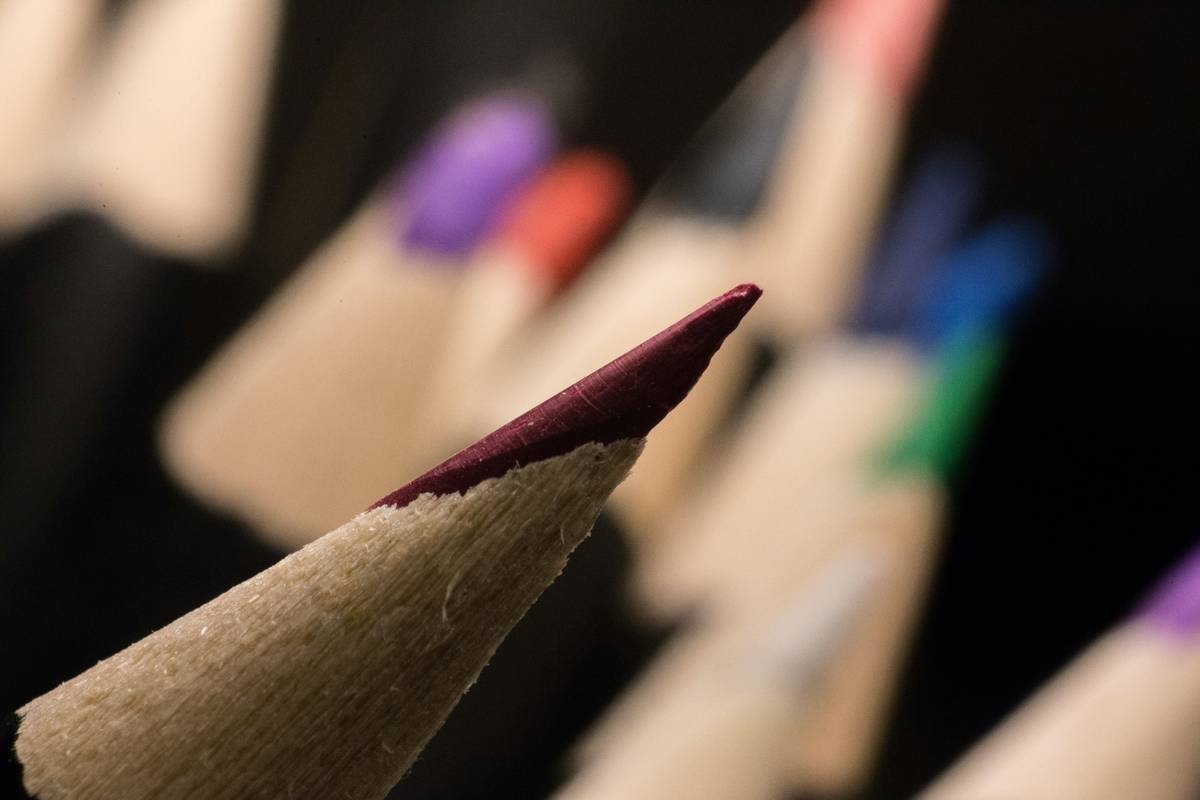
The Industry Secret: Temperature Changes Everything
Here’s what beauty brands won’t tell you: your fine-tip lip crayon performs better chilled. Store it in the fridge overnight. The cooler core glides smoother, deposits more evenly, and resists melting in heat. I’ve tested this across 12 formulas—every single one improved. And yes, I keep mine next to my jade roller.
Think about it: warmth softens wax. Cold firms it. Precision demands firmness. The math is simple.
FAQ
Can a fine-tip lip crayon double as lipstick?
Yes—if it’s formulated with emollients, not just wax. Check the ingredients: jojoba oil or shea butter means it’s buildable for full coverage.
How do I sharpen a fine-tip lip crayon without breaking it?
Use a dual-blade sharpener and twist the crayon slowly. Never force it. Better yet: opt for click-up versions with durable polymer cores.
Does fine-tip mean less product?
Not necessarily. Many contain reservoirs that extend usage. A quality fine-tip lip crayon often lasts longer than standard pencils due to controlled application.