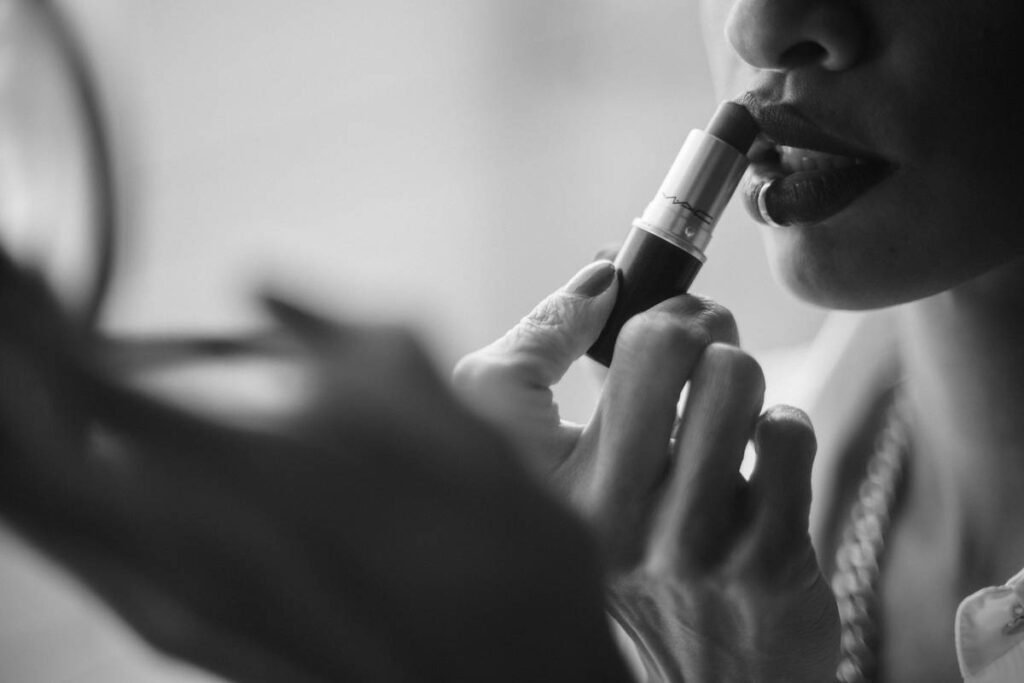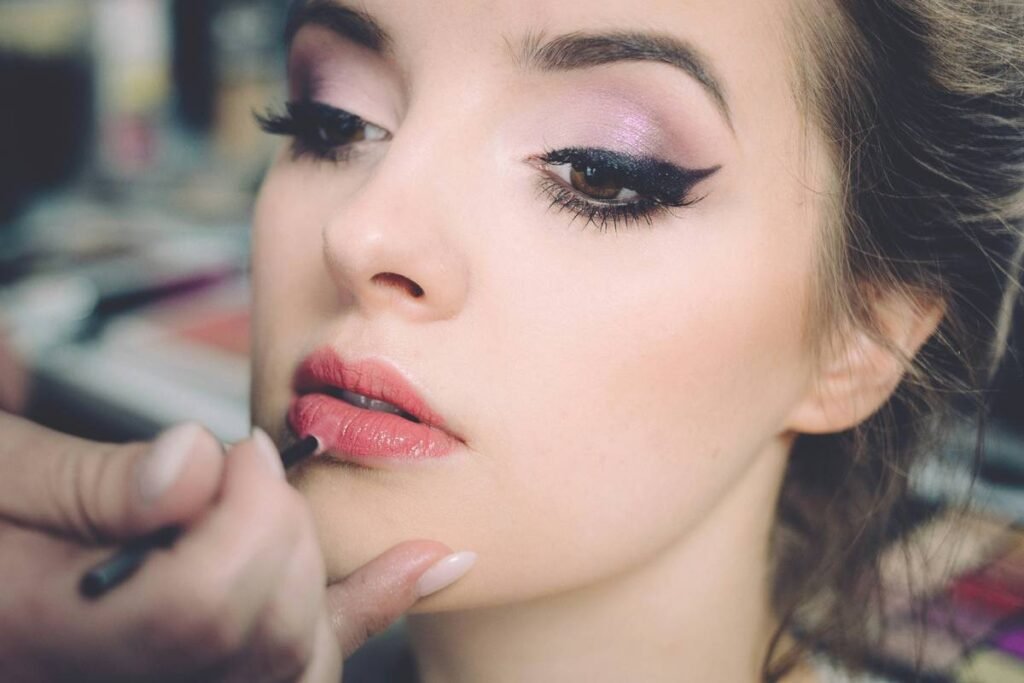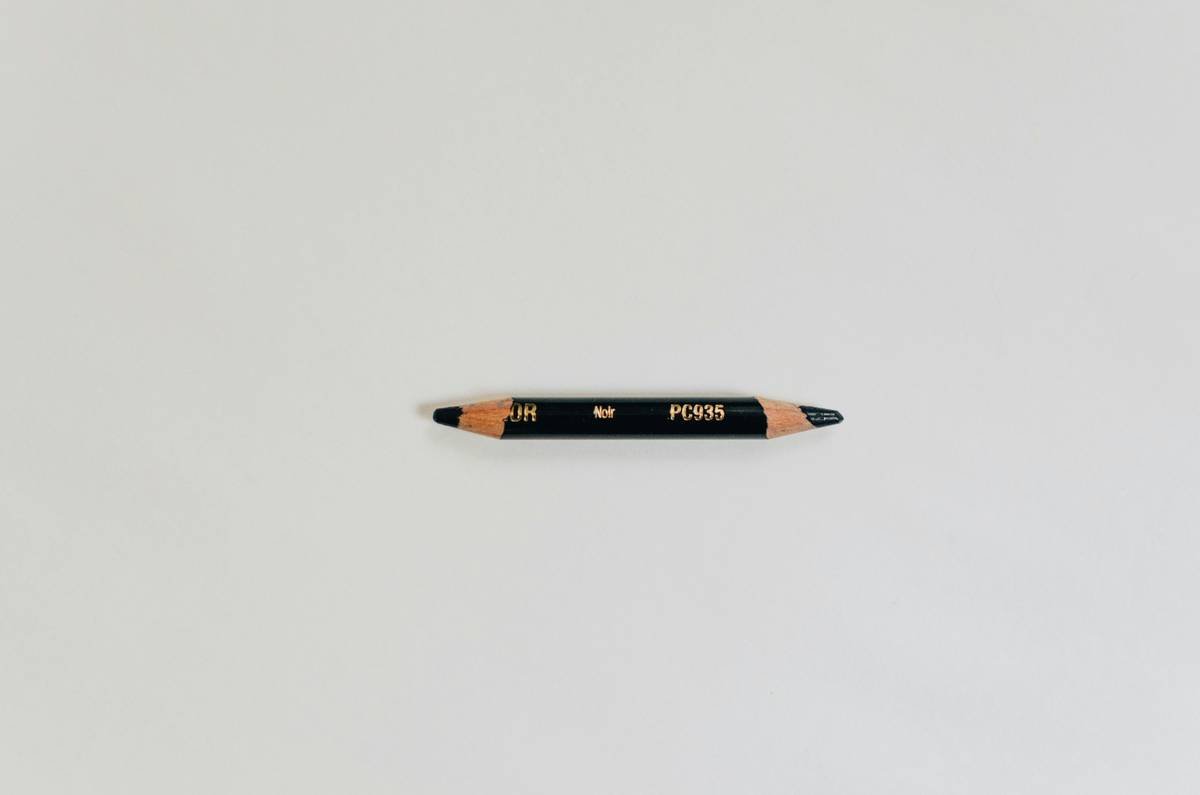
Blurred lines. Feathery edges. That dreaded bleed into fine lines around your mouth by 3 p.m. You spent $40 on luxury lipstick—so why does it look sloppy halfway through lunch? The issue isn’t your formula. It’s your liner. Or rather, the lack of a truly precise one. Enter the sharp lip marker: not just another pencil, but a micro-engineered tool that locks color in place with surgeon-level accuracy.
Why Traditional Lip Liners Fail You
Most “lip liners” are blunt crayons disguised as precision tools. They drag, skip, or deposit waxy buildup that cracks by noon. Worse—they’re often formulated differently than your lipstick, creating a visible seam that screams “I tried too hard.”
And if you sharpen them? Half the product crumbles away. Waste. Frustration. Repeat.
The real problem? Conventional pencils can’t match the fluidity of modern liquid lipsticks or the subtlety needed for gradient techniques. Their tip is too thick, their pigment too dry. They weren’t built for today’s makeup demands.
How to Use a Sharp Lip Marker Like a Pro
This isn’t about tracing your natural lip line and calling it a day. Precision means control—over shape, longevity, and even optical illusion.
Step 1: Prep Without Over-Prepping
Blot excess oil—but skip heavy primers. A slick base causes slippage. Let your skin breathe slightly so the marker grips naturally.
Step 2: Draw With Intent, Not Hesitation
Hold the sharp lip marker like a pen—not a pencil. Rest your pinky on your jaw for stability. Start at the cupid’s bow, then glide outward in one fluid motion. No sketching. No going back.
Step 3: Fill Strategically (Not Completely)
You don’t need to color in your entire lip. Just trace the outer 2mm. This creates a barrier that stops feathering while letting your lipstick shine through untouched in the center.
Step 4: Blend Only If Your Formula Demands It
Mattes? Leave the line crisp. Glosses or cremes? Tap a clean fingertip along the edge to soften—just enough to avoid a harsh rim.
| Technique | Tool Used | Longevity (Hours) | Smudge Risk |
|---|---|---|---|
| Traditional Lip Pencil (sharpened) | Wax-based liner | 3–4 | High |
| Freehand Liquid Lipstick | Brush applicator | 5–6 | Medium |
| Sharp Lip Marker | Fine-tip, transfer-resistant formula | 8–10 | Low |
The Industry Secret No Brand Will Admit
Most makeup artists keep two types of liners on set: one for camera (matte, waterproof) and one for real life (slightly flexible, skin-matching). But here’s what they don’t tell you—the best sharp lip markers aren’t marketed as “liners” at all.
They’re repurposed brow pens. Seriously. The same ultra-fine nib, quick-dry ink, and smudge-proof polymer used in high-end brow markers work flawlessly on lips—especially when tinted with red or berry pigments. Brands know this. They just won’t say it because it blurs category lines (and profit margins).
So when you test a new sharp lip marker, check the ingredient list. If it feels feather-light and dries in under 10 seconds? You’ve found the backstage hack.
FAQ
Can I use a sharp lip marker alone without lipstick?
Yes—many deliver full opacity. Just choose one labeled “high-pigment” or “matte finish” for standalone wear.
How often should I replace my sharp lip marker?
Every 6–9 months. Unlike pencils, liquid-based markers dry out or harbor bacteria faster once opened.
Does a sharp lip marker work on dark lips?
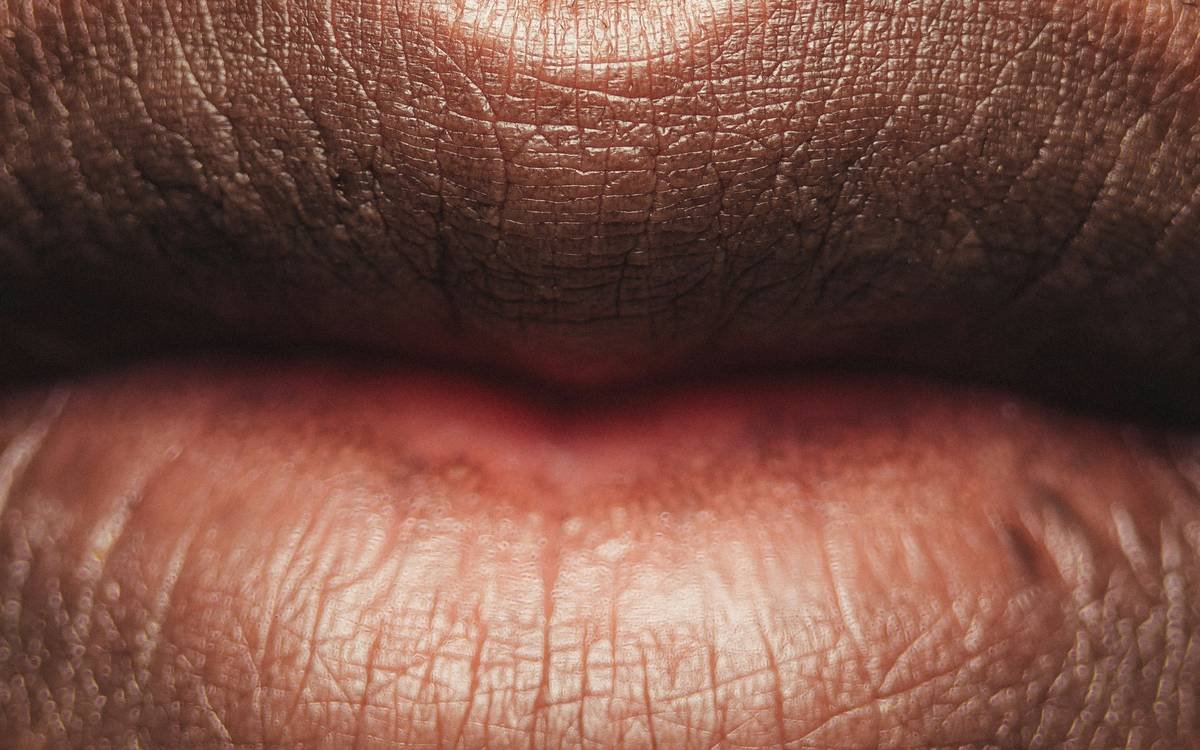
Absolutely. Look for formulas with intense chroma and no whitening agents—these won’t mute your natural undertones.