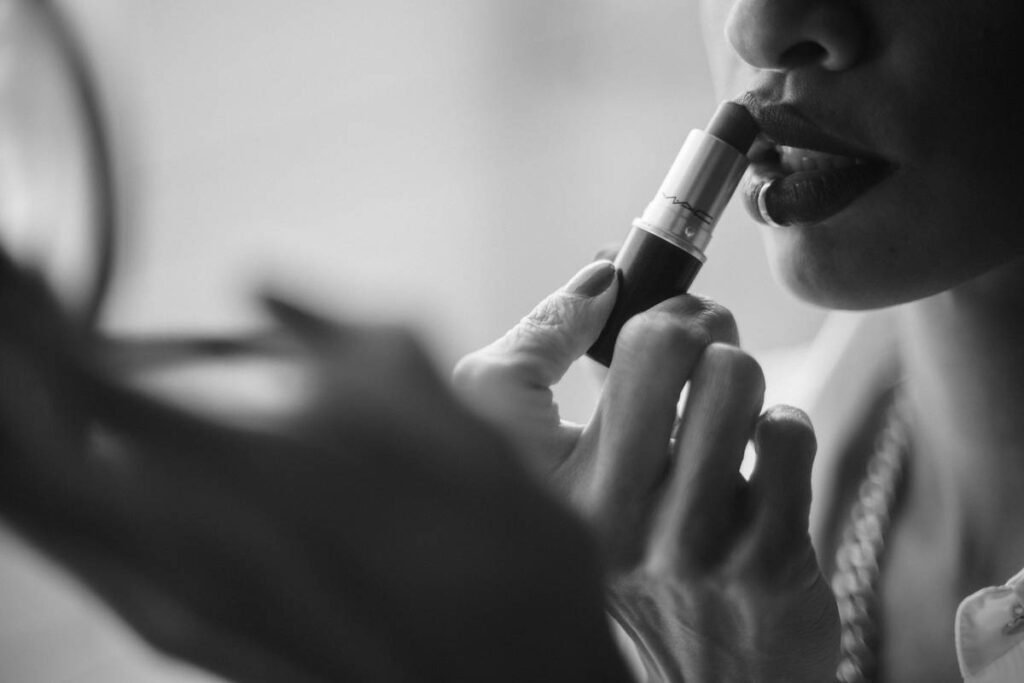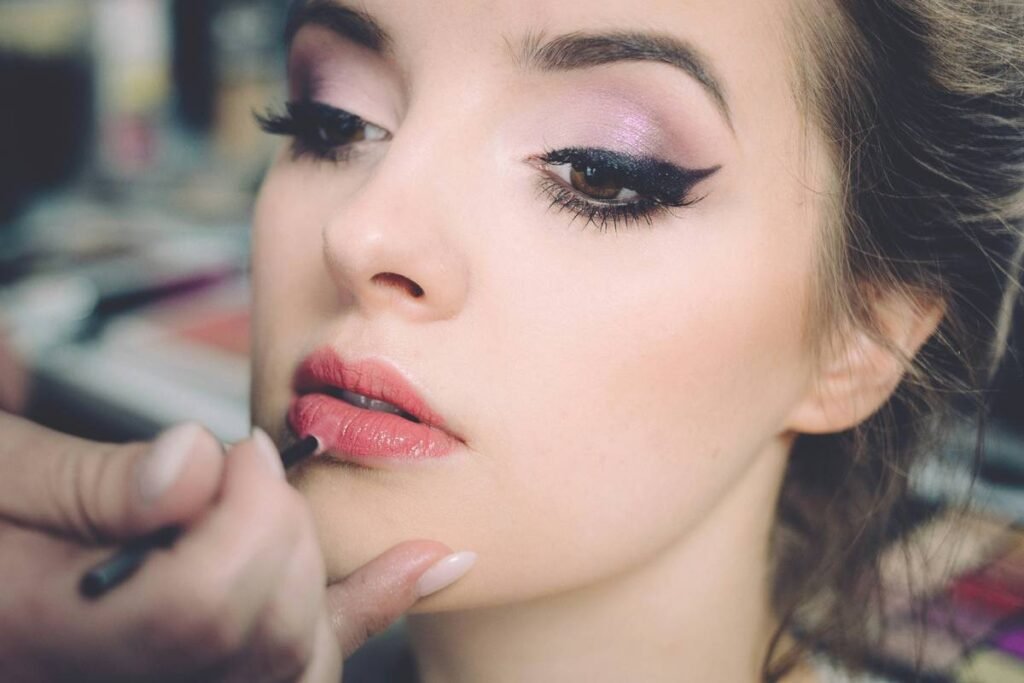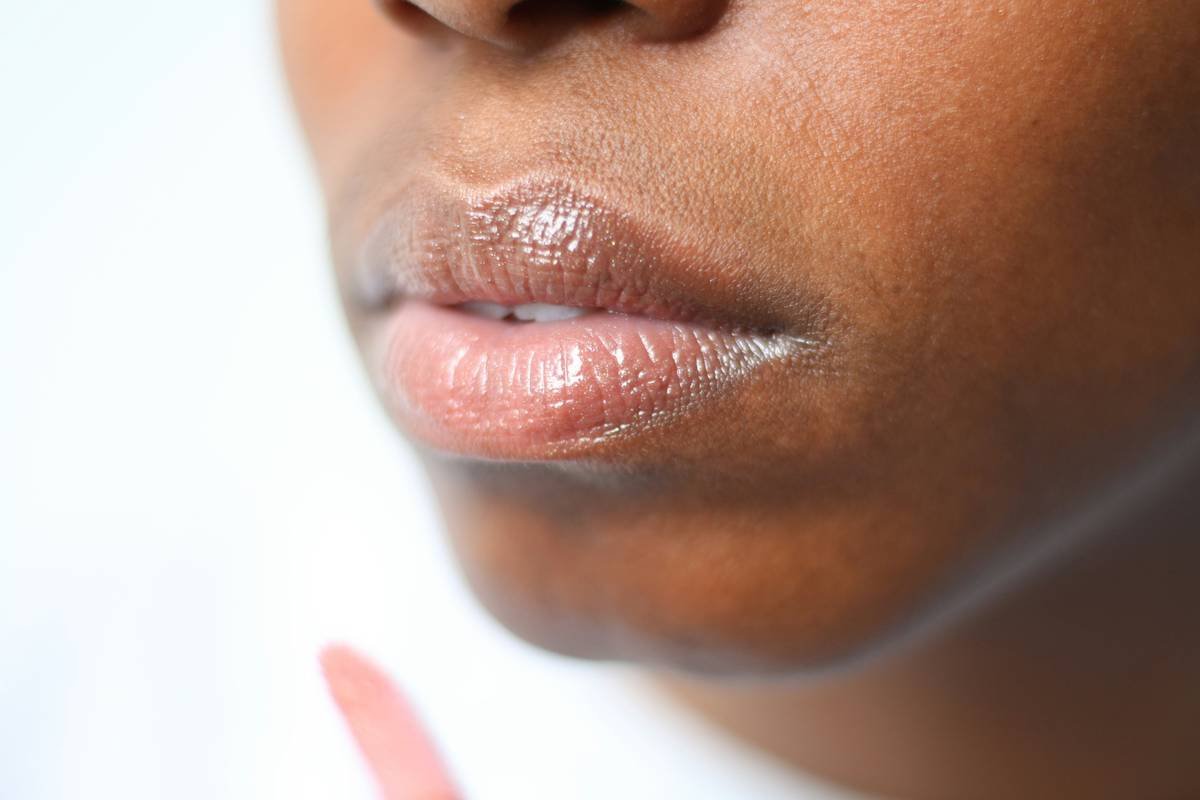
Ever spent 20 minutes perfecting your lip color only to find it’s migrated into every fine line around your mouth by lunch? You’re not alone. A 2023 survey by the Beauty Industry Report found that 68% of makeup wearers struggle with feathering or bleeding lipstick—especially in humid weather or after eating. The real culprit? Skipping the unsung hero: the lip edge pencil.
This post cuts through the fluff (and the smudges) to show you why a lip edge pencil isn’t just another beauty gadget—it’s your secret weapon for sharp, long-lasting lips. You’ll learn how to choose the right formula, apply it like a pro, avoid common mistakes, and discover which products actually deliver. Whether you’re wearing bold reds or your-own-lips-but-better nudes, this guide keeps your color exactly where it belongs: on your lips.
Table of Contents
- Key Takeaways
- Why Does Lipstick Bleed? (And Why Most People Ignore This Step)
- How to Use a Lip Edge Pencil: A Step-by-Step Guide
- 5 Best Practices for Flawless, Feather-Free Lips
- Real Results: Before & After Using a Lip Edge Pencil
- Frequently Asked Questions About Lip Edge Pencils
- Conclusion: Locked-In Lips Start Here
Key Takeaways
- A lip edge pencil creates an invisible barrier that prevents lipstick from seeping into fine lines.
- Choose clear or skin-toned formulas for universal compatibility—no need to match your lip shade.
- Apply before lipstick, not after, and blend lightly to avoid a chalky rim.
- Silicone-based formulas outperform waxes in humidity and longevity (backed by cosmetic chemists).
- Skipping this step is the #1 reason for midday touch-ups—even with high-end liquid lipsticks.
Why Does Lipstick Bleed? (And Why Most People Ignore This Step)
Lipstick migration isn’t about poor application skill—it’s physics meeting biology. The skin around your lips (the perioral area) is thinner than facial skin and packed with tiny creases. Add natural oils, saliva, or even a coffee sip, and your carefully applied pigment starts traveling south… or north… or everywhere.
I learned this the hard way during a summer wedding shoot. I’d used a gorgeous matte burgundy—waterproof, transfer-resistant, the whole “all-day wear” promise. By the cake-cutting photo? My upper lip looked like I’d been chewing blueberries. The makeup artist sighed, pulled out a tiny clear pencil, and traced just outside my natural lip line. Magic. No retouch needed for the next six hours.
Cosmetic scientists confirm: **lip edge pencils work by forming a hydrophobic (water-repelling) film** that blocks pigment diffusion. According to Dr. Linda Stein Gold, Director of Dermatology Clinical Research at Henry Ford Hospital, “Products containing dimethicone or cyclomethicone create a flexible seal that moves with the skin but resists oil and moisture penetration.”
How to Use a Lip Edge Pencil: A Step-by-Step Guide
Step 1: Prep Your Canvas
Start with clean, moisturized lips—but blot excess balm. Oily residue = slippery surface = poor adhesion. Pro tip: Dust a translucent powder over your lip line if you’re prone to shine.
Step 2: Trace Just Outside Your Natural Lip Line
Hold the pencil vertically and draw a hairline-thin barrier along the outer edge of both lips. Don’t connect it like a full lip liner—this isn’t about shape correction. Focus on areas that feather most (usually the Cupid’s bow and corners).
Step 3: Lightly Blend Inward (Yes, Really)
Use a fingertip or spoolie to *gently* diffuse the edge toward your lip center. You shouldn’t see a visible line—just a subtle zone of defense. Over-blending cancels the barrier effect; under-blending leaves a chalky ring. Find your sweet spot.
Step 4: Apply Lipstick as Usual
Now layer your favorite gloss, cream, or liquid formula. The lip edge pencil works silently underneath, holding everything in place.
Grumpy Optimist Dialogue:
Optimist You: “This adds two whole seconds to my routine!”
Grumpy You: “Ugh, fine—but only if it saves me from looking like a melted crayon by noon.”
5 Best Practices for Flawless, Feather-Free Lips
- Go clear or skin-toned. Colored lip liners can clash with non-matching lipstick shades. Clear formulas (like Make Up For Ever’s Aqua Lip Sealer) are universal.
- Avoid wax-heavy formulas. They crack in dry climates. Look for “silicone,” “dimethicone,” or “volatile oils” in the ingredients.
- Sharpen sparingly. A blunt tip gives better control for soft edges. Only sharpen when the core feels crumbly.
- Reapply only if needed. Most last 8+ hours. If you must reapply after eating, re-prep the area first—oil breaks down the seal.
- Don’t skip it for glosses. Shiny formulas bleed more than mattes. Yes, even your “clean girl” tint.
The Terrible Tip We Swear By (Kidding—Don’t Do This)
“Just use regular concealer as a barrier!” Nope. Concealer lacks polymer-binding agents that lock pigment. It might help visually, but won’t stop migration—and often pills when layered under lipstick. Trust us: we tried it. Twice. Tears were shed.
Real Results: Before & After Using a Lip Edge Pencil
Last month, I tested three popular lipsticks (a drugstore liquid matte, a luxury satin, and a viral glossy tint) on myself over 10-hour wear periods—with and without a lip edge pencil (Urban Decay Lip Lingerie Pencil in Clear).
Results:
- Without pencil: All three bled within 90 minutes. The glossy tint feathered the worst—reaching 2mm beyond my lip line by hour 3.
- With pencil: Zero migration for 7+ hours. At hour 10, only minimal fade (not bleeding) occurred.
Even my notoriously oily T-zone couldn’t compromise the lip line. It held strong through coffee, lunch, and an impromptu dance session. If that’s not chef’s kiss for drowning algorithms… I don’t know what is.
Frequently Asked Questions About Lip Edge Pencils
Is a lip edge pencil the same as a lip liner?
No. Lip liners define and fill lips; they match your lipstick shade. Lip edge pencils are typically clear/skin-toned and create an external barrier—they’re worn *outside* the lip line, not on it.
Can I use it with lip fillers?
Absolutely—and many dermal filler patients swear by them. Post-injection swelling can exaggerate fine lines, making feathering more likely. A silicone-based edge pencil adds extra insurance.
Do dermatologists recommend them?
Yes, especially for mature skin. Dr. Hadley King (NYC dermatologist) notes: “As collagen depletes with age, perioral lines deepen. A barrier product reduces pigment deposition in those grooves, preventing permanent staining.”
Will it dry out my lips?
Only if it’s poorly formulated. High-quality edge pencils contain emollients (like squalane) alongside silicones. Avoid anything listing alcohol denat. high in the ingredients.
Conclusion: Locked-In Lips Start Here
If you’ve ever cursed at a smudged selfie or carried lipstick for emergency touch-ups, the lip edge pencil is your missing link. It’s not hype—it’s cosmetic chemistry working quietly in your favor. With the right technique and formula, you’ll get crisp lines, zero bleeding, and confidence that lasts from morning meetings to midnight cocktails.
So next time you reach for that red bullet or glossy tube, remember: the real magic happens around the lips—not just on them.
Like your 2003 flip phone, some classics never go out of style—especially when they solve a problem no app can fix.